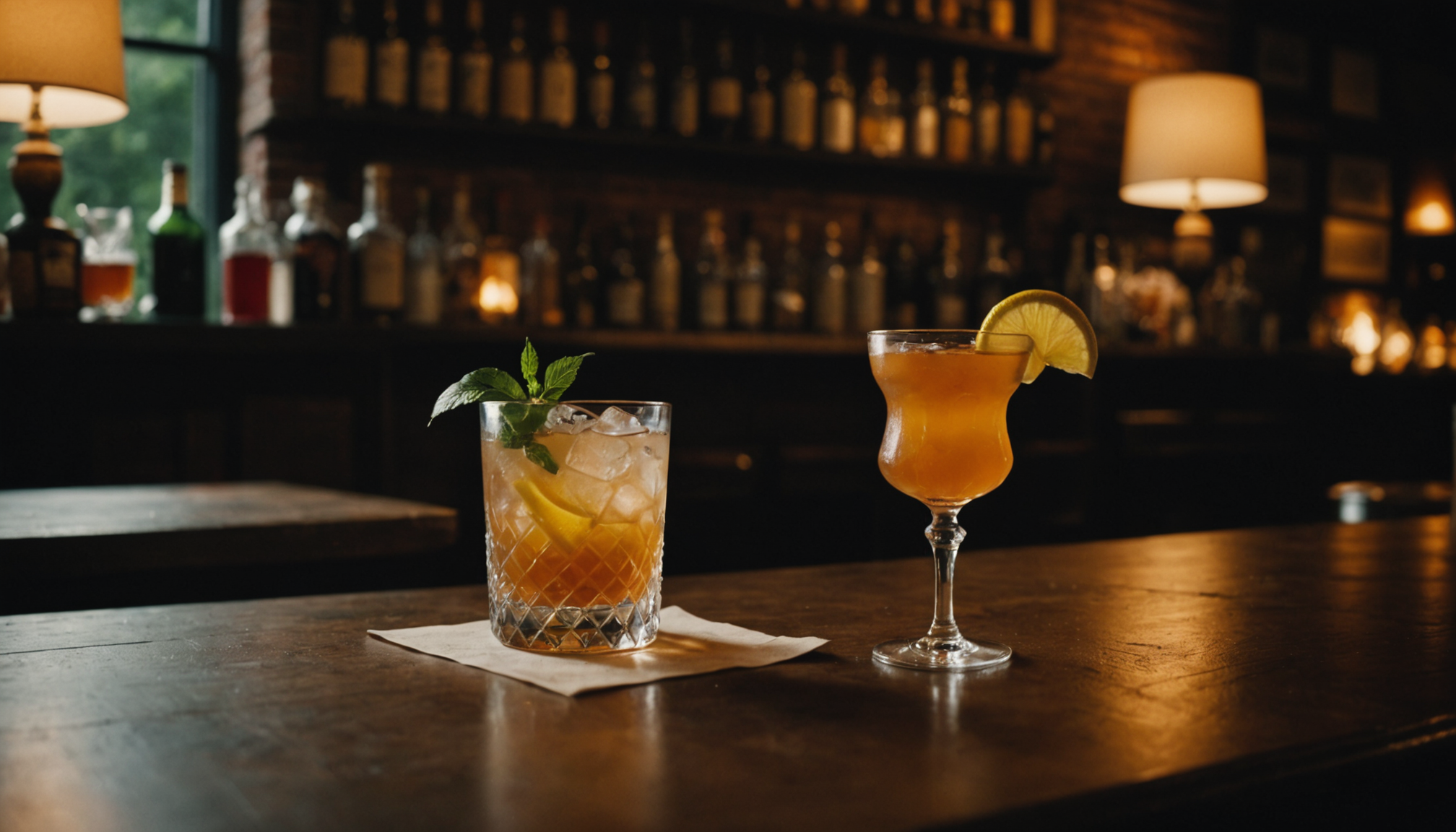
Craft Cocktails with Local Ingredients: Nashville's Honest Bar Test
Most Nashville restaurants put "farm-to-table" in the headline and mass-produced well spirits behind the bar — and hope you never connect the two.
TL;DR:
- A bar program built on generic syrups and national-brand liquors undercuts any farm-to-table food claim, no matter how good the menu reads.
- Tennessee produces enough quality spirits, honey, herbs, and fruit to build a genuinely local cocktail program — you just have to know which names to look for.
- Three specific questions to your bartender will tell you, in under two minutes, whether the cocktail program matches the kitchen's sourcing standards.
---
Why the Bar Is Where Farm-to-Table Claims Fall Apart
Walk into almost any East Side Nashville restaurant in 2026 and you'll find a food menu that names the farm, the county, maybe the specific field. Then you sit at the bar and order a cocktail built on a commercial sour mix, a mass-produced simple syrup trucked in from a national distributor, and a bourbon chosen for its pour cost rather than its provenance. Nobody calls this out. The candlelight is warm, the heirloom tomato salad is extraordinary, and the bar is quietly doing something entirely different.
This disconnect isn't accidental — it's economic. A kitchen sourcing locally accepts narrower margins and a constantly rotating menu. A bar team using commercial mixers and speed-rail spirits locks in predictable cost-per-ounce across every shift, every season. The food gets the story; the drinks get the spreadsheet.
That gap matters if you're the kind of diner who knows how to spot a real farm-to-table restaurant in Nashville and expects the whole table — every plate, every glass — to reflect that standard. A farm-to-table restaurant that sources its cocktail syrups from a warehouse in New Jersey isn't lying about the food. It's just telling you half the story.
The honest test is simple: does the bar program change with the season the same way the kitchen does? If the answer is no — if the cocktail menu has been identical for eight months while the dinner menu has turned over four times — the bar is coasting on the kitchen's reputation.
---
What Craft Cocktails with Local Ingredients Actually Look Like
A genuinely local cocktail program has three visible signatures, and you can spot all of them before you order.
1. House-Made Components You Can Name
The bar should be making something in-house: bitters infused with Tennessee black walnuts or dried sassafras, syrups built from local sorghum or Appalachian honey, shrubs using seasonal fruit from a named farm. "House-made" alone isn't enough — a bar can make its own simple syrup from commodity cane sugar and call it house-made. The local sourcing has to be specific and attributable.
At Ember & Oak, our craft cocktail program runs on house-made bitters and syrups that change approximately every 6–8 weeks as Tennessee produce rotates through the season. Right now that means a muscadine shrub from a Sumner County vineyard and a smoked sorghum syrup we pull together with cane from Robertson County. Those aren't decorative details — they're the whole flavor architecture of the drink.
2. Tennessee Spirits as the Default, Not the Exception
A local cocktail program reaches for Tennessee and regional spirits first, then explains why it made a different call when it didn't. That means Tennessee whiskeys and bourbons for the base, Tennessee amaro or liqueur for modifiers, and a clear reason when a cocktail requires something from outside the state. "It's the only spirit that works here" is a legitimate answer. "We just always use [national brand]" is not.
3. Seasonal Garnishes That Didn't Come from a National Produce Distributor
Foraged herbs, edible flowers grown by a local farmer, a fresh citrus peel from fruit a farm actually grows rather than a standard garnish tray — these are small, but they signal that someone on the bar team is paying the same kind of attention the kitchen does. A cocktail garnished with a dehydrated wheel of something that ships uniformly year-round is not a seasonal cocktail. It's a styled photograph of one.
---
Tennessee Spirits and Syrups Worth Asking About
You don't need to be a spirits expert to have this conversation at the bar. You just need a handful of reference points. Here's what a genuinely Tennessee-sourced bar program might include in 2026:
Tennessee Whiskey and Bourbon
- Nelson's Green Brier Distillery (Nashville) — one of the few distilleries restoring a pre-Prohibition Tennessee whiskey tradition with Belle Meade expressions
- Corsair Distillery (Nashville) — small-batch experimental spirits including malt whiskeys and rye that bartenders with a creative program actually want to use
- Leiper's Fork Distillery (Williamson County) — their straight bourbon is genuinely locally grown and worth asking for by name
Modifiers and Liqueurs
- Pennington Distilling Co. (Nashville) produces a Tennessee honey liqueur and a Davidson Reserve whiskey; both work well in seasonal builds
- Short Mountain Distillery (Woodbury) — their moonshine and apple brandy are the kind of thing a thoughtful bar program reaches for when a recipe calls for something clear and fruit-forward
House-Made Syrups and Sweeteners
A bar that's doing this right uses Tennessee sorghum (Robertson and Montgomery Counties are the productive center of the state's sorghum belt), local wildflower honey, and fruit preserves made in-house from the same farm relationships the kitchen maintains. Blackberry from Cagle's Dairy area, pawpaw in September, persimmon in late fall — Tennessee's growing calendar is long enough to keep a syrup program rotating.
If you've already been building a clean eating pantry with Tennessee local foods, you'll recognize most of these ingredients from your own kitchen. The bar is just applying the same sourcing logic to a glass.
---
Questions to Ask Your Bartender Before Ordering
These three questions take less than ninety seconds and will tell you more about a restaurant's real farm-to-table standards than any menu description:
1. "What's house-made behind the bar right now?"
A bartender at a genuinely local program will answer immediately and specifically. They'll name the ingredient, the farm or source, and probably tell you why this week's batch tastes different from last month's. A bartender at a bar coasting on the kitchen's reputation will gesture vaguely at "our syrups" without being able to say what's in them.
2. "Which Tennessee spirits are you using as your base right now?"
The answer should include at least one Tennessee distillery by name, not just "Tennessee whiskey" as a category. If they name a national brand produced at industrial scale and simply aged in Tennessee, ask a follow-up: "Do you carry anything from a Nashville or Middle Tennessee distillery?" The answer to that follow-up is the real one.
3. "Does this cocktail menu change seasonally?"
The right answer is yes — and they should be able to tell you what changed in the last rotation and roughly when the next one happens. A menu that's been static since they opened is a bar that stopped paying attention to the season at the same moment it printed that menu.
---
How a Seasonal Cocktail Menu Signals Kitchen Integrity
The most telling sign of a fully committed farm-to-table restaurant isn't the food menu — it's whether the kitchen and the bar are in conversation with each other. A seasonal cocktail menu that updates on the same rhythm as the dinner menu (roughly every 4–6 weeks at most serious East Side Nashville restaurants in 2026) means someone is coordinating sourcing across the whole building, not just the kitchen pass.
This matters especially when you're choosing a restaurant for a meal that's supposed to mean something — a birthday dinner, a celebration with people you don't see often, the kind of night where every part of the experience should hold together. If you're the type of diner who reads a chef's tasting menu the same way you read a sourcing story, you already understand that the best restaurants don't let any element of the table be an afterthought.
A bar that rotates with the kitchen says: we thought about this the same way we thought about the food. A bar that doesn't says: we thought about pour cost.
What to Look for on the Menu Before You Order
- Cocktail names that reference a specific ingredient, season, or place — not just an evocative mood
- A spirits list that calls out Tennessee or regional distilleries by name, not just "local spirits"
- A note about house-made components that names the ingredient source, not just the technique
- A cocktail menu that's physically different from the one they had three months ago (ask; a good bar team remembers)
The food menu is easy to audit. The bar takes a little more attention. But a restaurant that gets both right — that sources its smoked sorghum syrup with the same care it sources its Rainbow Valley Farm greens — isn't cutting corners anywhere. That's the full farm-to-table experience, and it's the one worth your Thursday night.
---
Come taste what a bar program built on honest sourcing actually drinks like. Book a table at Ember & Oak — reserve your seat at /contact for Thursday through Sunday, 5pm onward, and ask your bartender what's in season behind the bar tonight.