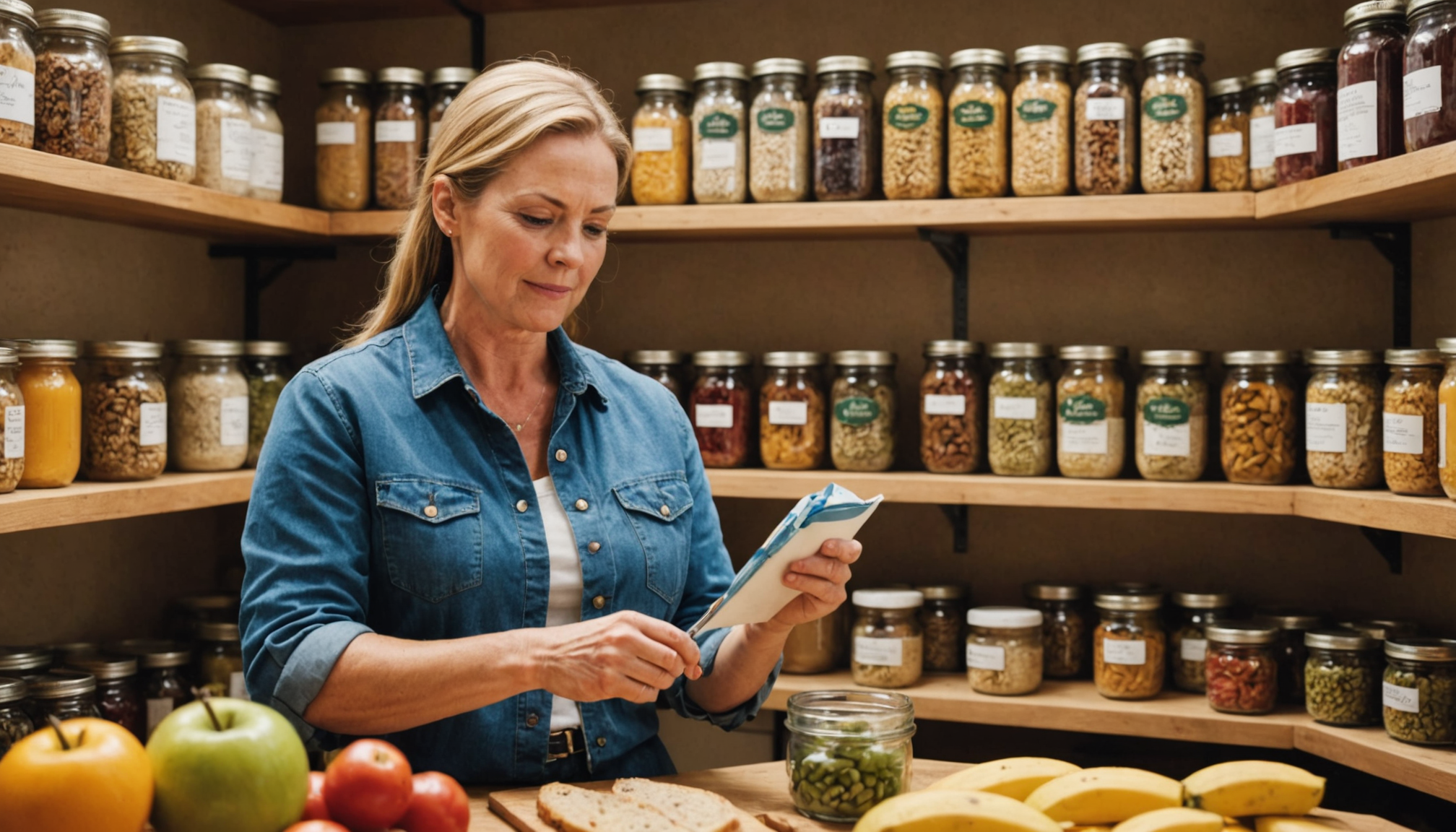
How to Build a Clean Eating Pantry Using Tennessee Local Foods
The cleanest meal you'll ever cook starts before you strike a match on the stove. It starts in your pantry.
Most of us think about clean eating in terms of what we order at a restaurant or what we grab at the farmers market on Saturday morning. But the truth is, your everyday cooking — the Tuesday night dinner, the quick weekday lunch, the Sunday breakfast — is shaped almost entirely by what's already sitting on your shelves. If your pantry is stocked with processed, ingredient-list-of-25 staples, that's what ends up on your plate, even when you have the best intentions.
The good news? Tennessee is genuinely one of the best states in the country for building a local, clean-ingredient pantry. We have working grain mills, small-batch honey producers, heritage legume growers, and an agricultural community that has been feeding this region for generations. You don't have to drive hours or spend a fortune to do this right.
Here's exactly how to build a clean eating pantry using Tennessee-grown and Tennessee-made staples — with specific product categories, sourcing tips, and a practical stocking strategy to get you started.
---
What "Clean Eating Pantry" Actually Means (And What It Doesn't)
Before we get into the shelves, let's set expectations. "Clean eating" gets thrown around loosely, and we want to be direct about how we define it here at Ember & Oak.
A clean pantry isn't about elimination or perfection. It means:
- Short, recognizable ingredient lists — if you can't picture the ingredient growing in the ground, that's a flag
- Minimal processing — whole grains instead of refined flour, cold-pressed oils instead of chemically extracted ones
- Known origins — you have some idea of where the food was grown, and ideally who grew it
- No unnecessary additives — no artificial preservatives, dyes, or flavor enhancers doing jobs that real food can do on its own
A Tennessee-focused pantry checks all of these boxes almost automatically, because you're buying from producers you can actually talk to. That traceability is the whole ballgame.
---
The Tennessee Clean Pantry: Category by Category
Whole Grains and Flours
This is where most pantries go wrong first. Bleached all-purpose flour and instant rice aren't inherently evil, but they're stripped of the fiber, minerals, and flavor that made the original grain worth eating.
Tennessee has a remarkable milling tradition. Muddy Pond Sorghum & Grist Mill in Monterey has been operating for decades, producing stone-ground cornmeal and sorghum syrup that are both genuine Tennessee originals. Old Mill out of Pigeon Forge mills whole wheat flour, grits, and rye that you can mail-order or pick up in person.
What to stock:
- Stone-ground yellow cornmeal (essential for cornbread, coatings, and polenta-style dishes)
- Whole wheat or heritage wheat flour for everyday baking
- Rolled oats — look for Tennessee-grown or at minimum regional sources
- Farro or emmer wheat, increasingly available through Tennessee small farms
The flavor difference between stone-ground cornmeal and the shelf-stable supermarket version is not subtle. Once you cook with it, there's no going back.
Dried Beans and Legumes
Dried beans are the most underrated clean pantry staple in existence. They're shelf-stable for 1–2 years, cost almost nothing per serving, and carry real nutritional weight. Tennessee grows a variety of field peas, pintos, October beans, and heirloom varieties that rarely make it onto supermarket shelves.
Look for October beans (a Tennessee and Appalachian staple) at local farmers markets in late summer, then dry them yourself or buy already-dried from regional vendors. Several small farms at the Nashville Farmers Market and the Knoxville Market Square Farmers Market sell dried heritage beans by the pound.
What to stock:
- Dried October beans or crowder peas
- Black-eyed peas (classic Southern, widely grown in West Tennessee)
- Dried lentils — not always locally grown, but worth keeping as a fast-cooking fallback
Tennessee Honey and Natural Sweeteners
Refined white sugar is one of the easiest clean swaps you can make, and Tennessee gives you excellent options. Raw, unfiltered honey from local hives retains naturally occurring enzymes and antioxidants that are destroyed by commercial pasteurization.
Muddy Pond Sorghum deserves special mention again here — sorghum syrup is a deeply Tennessee sweetener with a rich, slightly smoky-molasses flavor that works beautifully in marinades, glazes, baked goods, and even cocktails. It's one of those ingredients that immediately signals "this food has a sense of place."
Look for local honey at virtually any Tennessee farmers market. In 2026, many Tennessee beekeepers also sell directly through their own websites or through regional food co-ops.
What to stock:
- 1–2 jars of raw local honey
- Muddy Pond or comparable Tennessee sorghum syrup
- Maple syrup (not Tennessee-grown, but minimally processed and worth keeping)
Cold-Pressed Oils and Fats
Oils are tricky because very little cooking oil is produced at scale in Tennessee. But the principles of a clean pantry still apply: choose oils that are cold-pressed or expeller-pressed, with single-ingredient labels and no additives.
For pantry staples, extra virgin olive oil and unrefined coconut oil are reliable clean options. For Tennessee-specific fats, look for locally rendered lard from heritage breed pork farmers — several farms at Tennessee markets sell it, and it's one of the most honest, single-ingredient cooking fats you can use. The industrially produced lard at the grocery store is hydrogenated and a completely different product.
Preserved and Fermented Tennessee Products
This category might be the most exciting part of building a Tennessee clean pantry. The preservation and fermentation tradition in this state is long and serious.
- Apple cider vinegar from Tennessee apple orchards (the Hiwassee River valley and the Cumberland Plateau are both strong apple-growing regions)
- Canned and jarred tomatoes — if you put up your own during Tennessee's summer tomato season, this is a clean pantry triumph; otherwise look for local producers who sell at markets
- Hot sauce and fermented peppers — Tennessee hot sauce producers have exploded in the last five years; most use short, clean ingredient lists
- Shelf-stable sorghum or blackstrap molasses for baking and braising
---
How to Actually Source These Ingredients in Tennessee
Knowing what to buy is step one. Knowing where to get it is step two.
Farmers Markets and Co-ops
Tennessee's farmers market network is one of the strongest in the South. Major markets to know in 2026:
- Nashville Farmers Market (open year-round, with a strong dry goods and preserved foods section)
- Market Square Farmers Market in Knoxville (Saturday mornings, seasonally)
- Memphis Farmers Market (April through October, downtown)
- Franklin Farmers Market (one of the most curated in Middle Tennessee)
Many vendors at these markets sell pantry items alongside fresh produce — dried beans, honey, sorghum, jams, and pickled goods are common.
Farm Direct and Online
In 2026, more Tennessee farms than ever sell directly online with local pickup or delivery. Searching "[your county] + farm CSA Tennessee" or checking the Tennessee Department of Agriculture's Pick Tennessee Products directory will surface producers you might never find otherwise.
When you're shopping locally for pantry staples, the same reading skills that help you understand a farm-to-table restaurant menu apply at the market — ask where it was grown, how it was processed, and whether there are added ingredients. Good producers love these questions.
---
A Simple First-Month Stocking Plan
Don't try to overhaul your entire pantry in one weekend. Here's a realistic four-week approach:
Week 1 — Grains and flours
Order or pick up stone-ground cornmeal and whole wheat flour. Make one thing with each this week to get comfortable.
Week 2 — Dried legumes
Buy two varieties of dried beans. Cook a pot of each — no soaking required for lentils, an overnight soak for the rest. Freeze half in portions.
Week 3 — Sweeteners and acids
Swap your refined sugar jar for local honey and sorghum. Pick up a bottle of Tennessee apple cider vinegar.
Week 4 — Preserved goods
Add one or two clean-label preserved items: a Tennessee hot sauce, a jar of locally canned tomatoes, a quality fermented pickle.
By the end of the month, you have a working clean pantry built almost entirely from Tennessee sources — without a dramatic overhaul or an expensive single shopping trip.
---
The Bigger Picture: Why Your Pantry Is a Political Act
That sounds dramatic, but it's true. Every dollar you spend on a Tennessee-grown staple stays closer to home, supports a family farm, and reduces the industrial food chain by one small link. The farmers growing heirloom October beans and tending local honey hives are operating on thin margins in a market that doesn't naturally favor them.
When you understand how to shop smarter for clean, low-pesticide produce and then pair that knowledge with a pantry full of traceable Tennessee staples, you've fundamentally changed your relationship with food — not just for one meal, but for every meal cooked out of your kitchen.
At Ember & Oak, this is how we think about every dish we put on the menu. The pantry shelves behind our kitchen look a lot like the ones we're describing here. The same logic applies at home.
Start with one item this week. Stone-ground cornmeal or a jar of local honey. That's enough to begin.
<<>>