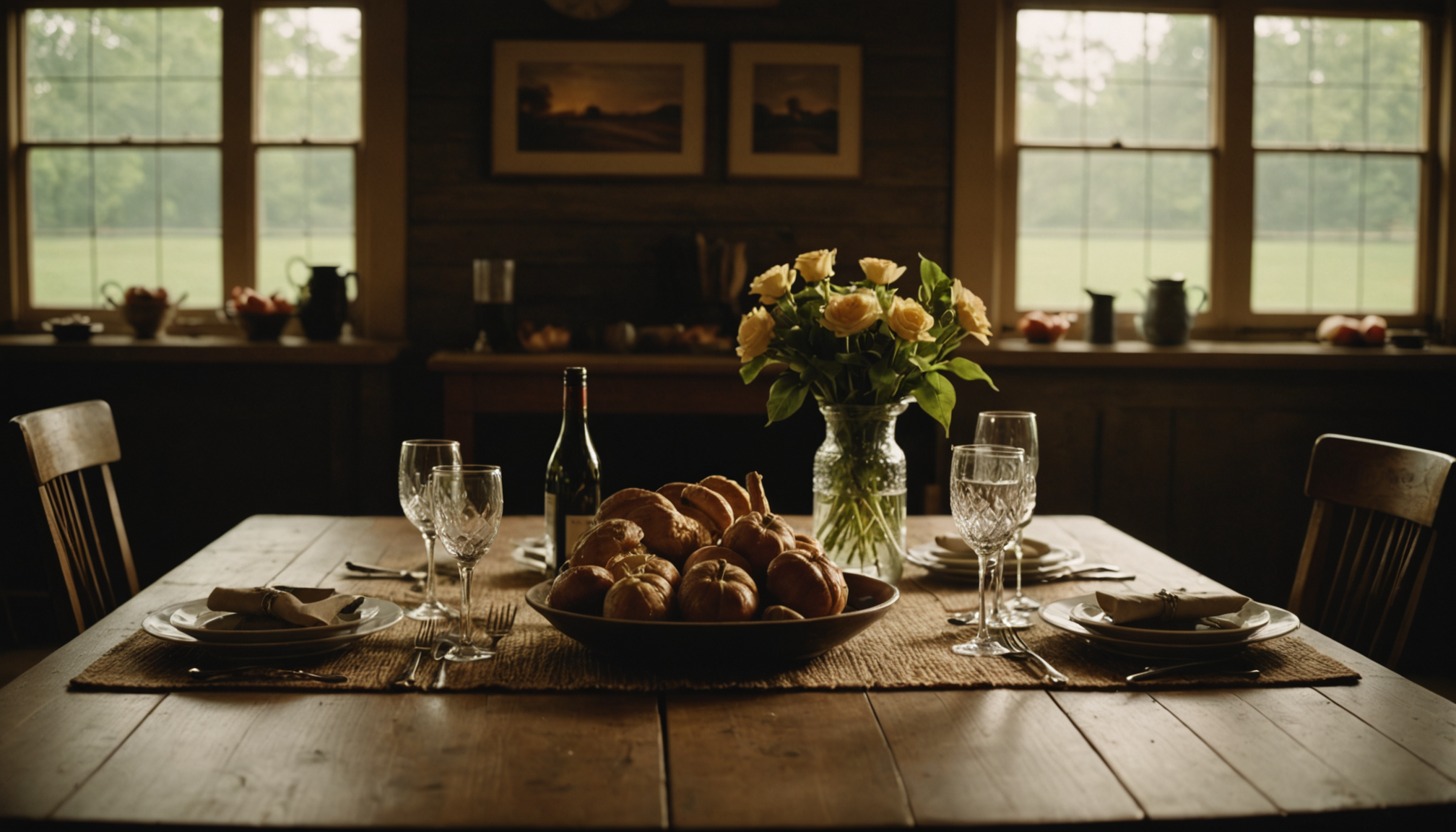
Farm to Table Date Night Nashville: How to Tell Real From Romantic
Nashville has no shortage of moody dining rooms designed to make you feel like something special is happening — but dim lighting and exposed brick don't tell you anything about where your duck confit actually came from.
TL;DR
- Most "farm to table" date night menus use the language without the sourcing — here's how to read past the aesthetics in about five minutes.
- Four specific questions will separate restaurants with real Tennessee farmer relationships from restaurants that hired a good interior designer.
- A seasonal menu that changes — genuinely, week by week — is one of the strongest signals that a kitchen is actually buying from farms, not just describing itself that way.
---
Why Most Date Night Menus Are Designed to Distract
The economics of a destination date night restaurant run on atmosphere first. A study of consumer dining behavior from 2024 found that ambiance ranks as the top decision factor for couples choosing a special-occasion restaurant — ahead of menu, price, and even reviews. That's useful information for a restaurateur who'd rather invest in pendant lighting than in a direct relationship with a Tennessee farm.
The tell is in the menu copy itself. Phrases like "locally inspired" or "seasonally influenced" are doing a lot of work without making a single verifiable claim. Inspired by local food is not the same thing as sourced from a local farm. Influenced by the season is not the same thing as buying what's actually ready right now from the person who grew it.
A menu that says "Eliza Creek Farm sweet corn, Stone's River honey, blistered shishitos from Bells Bend" is making a claim you can follow up on. A menu that says "farm-fresh vegetables and locally sourced proteins" is describing a category, not a kitchen. The difference matters — especially when you're sharing a meal with someone whose opinion of your restaurant judgment you'd like to preserve.
This isn't about gatekeeping fine dining. It's about knowing what you're paying for when a farm to table date night in Nashville runs anywhere from $80 to $180+ per person in 2026.
---
Farm to Table Date Night: What the Menu Should Tell You
A menu built on real sourcing relationships gives itself away quickly — not in a braggy way, but in the way a knowledgeable person drops names without thinking about it.
Named farms, not named regions
There's a meaningful gap between "Tennessee produce" and "Bells Bend Organics kale." One is a geography claim; the other is a farmer claim. Look for proper nouns on the menu: a farm name, a ranch name, a specific Tennessee county.
Specificity in the protein
Heritage breed pork from a named operation is a sourcing decision. "House-raised chicken" is a phrase. When a restaurant names the breed and the farm — Berkshire from Wedge Oak, say — they've made a commitment that a commodity supplier can't fulfill.
Seasonal vegetables that rotate
If the same heirloom tomato salad appears on the menu in January that you saw in August, no one is buying from a local farm. A kitchen genuinely working with Tennessee growers changes its vegetable dishes every four to six weeks at minimum — because the farms dictate what's ready, not the other way around.
If you want a deeper look at how real sourcing relationships function between Nashville restaurants and Tennessee growers, understanding why farmer relationships matter more than miles is worth reading before you make a reservation.
---
Four Questions That Separate Real From Romantic Staging
Before you book a farm to table date night in Nashville, spend three minutes doing this. Most restaurants answer these in their menus, social media, or a quick call to the host stand.
1. Can you name three farms you're currently buying from?
Not "we work with local farmers." Three names. A kitchen that sources authentically will have them ready. A kitchen that doesn't will pivot to a vague regional claim.
2. When did the menu last change?
If the answer is "seasonally" and it's been on the website since March, ask what month they consider a season. A genuine farm-driven kitchen updates dishes as supply changes — often with a mid-week text from a farmer saying the last of the okra came in, do you want it.
3. Does the cocktail menu use house-made or locally sourced ingredients?
The bar is often where sourcing authenticity breaks down entirely. A restaurant that names Tennessee farms on the dinner menu but fills the cocktail list with commodity syrups is telling you something about its overall sourcing philosophy. How Nashville craft cocktails handle local ingredients walks through exactly what to look for on a drink menu.
4. Is there a tasting menu, and does it change?
A chef's tasting menu built around what arrived from the farm that week is the clearest possible expression of real farm to table cooking. A tasting menu that reads identically in November and May is a production menu with a premium price tag.
---
How Seasonal Menus Make Farm to Table Date Nights Unrepeatable
This is the part that doesn't get said enough: a genuinely seasonal dinner menu is the only kind that guarantees your second visit will not be your first visit.
When a kitchen buys from farms on a rolling weekly or biweekly basis, the menu isn't a fixed document — it's a record of what Tennessee soil produced this particular week in this particular season. The roasted beet dish you loved in November won't exist the same way in April, because the farm isn't growing those beets in April. That's not a limitation. That's the point.
For a date night, this matters more than it does on a solo Tuesday dinner. You're not just eating — you're making a memory attached to a specific moment in time. A dish rooted in what's actually growing right now in Tennessee is, by definition, unrepeatable. You could come back in six weeks and the entire menu could shift.
Contrast that with a restaurant that runs the same "seasonal" menu from October through February because the laminated menus are already printed. The food might be good. But there's no moment being captured — just a reliably executed set piece.
At Ember & Oak, the seasonal dinner menu reflects what came in from our farm partners that week. Some dishes appear for ten days. Some last a month. A few become quiet regulars when a farm hits a particularly strong run of something. The tasting menu, by design, changes with the supply — which means no two dates at the same table are quite the same dinner.
---
Build Your Own Date Night Litmus Test
Here's a five-minute framework you can run on any Nashville East Side restaurant before you book. Save this, screenshot it, share it.
Before you look at photos
1. Open the menu. Count the number of named farms versus unnamed "local" claims.
2. Check the date the menu was last updated — a URL timestamp or a social post referencing a new dish tells you how often the kitchen actually pivots.
3. Look at the vegetable dishes specifically. Vegetables are the fastest indicator of real-time farm buying; proteins often have longer lead contracts.
When you're seated
4. Ask your server one question: "What's on the menu right now because a farm had a good run of something this week?" The answer — or the blank look — tells you everything.
5. Look at the cocktail list for house-made bitters, local syrups, or foraged garnishes. A bar that does that work is almost always backed by a kitchen that does the same.
The full picture
If a restaurant passes three of these five — named farms, a menu that demonstrably changes, a server who can talk about current supply — you've found a kitchen with real sourcing credibility. Two or fewer, and you're likely paying a premium for good candlelight.
If you're planning something larger than a dinner for two — a proposal dinner, a private gathering, an event — the same logic applies to the catering side of the table. What separates real farm-to-table catering from a premium-labeled buffet covers the specifics worth knowing before you sign a contract.
---
The best farm to table date night in Nashville isn't about finding the most beautiful room — it's about sitting down somewhere the kitchen can actually tell you the story of your plate. That story changes every week here. Book your table at Ember & Oak by visiting /contact — tell us the occasion, and we'll make sure the menu that night is one worth remembering.