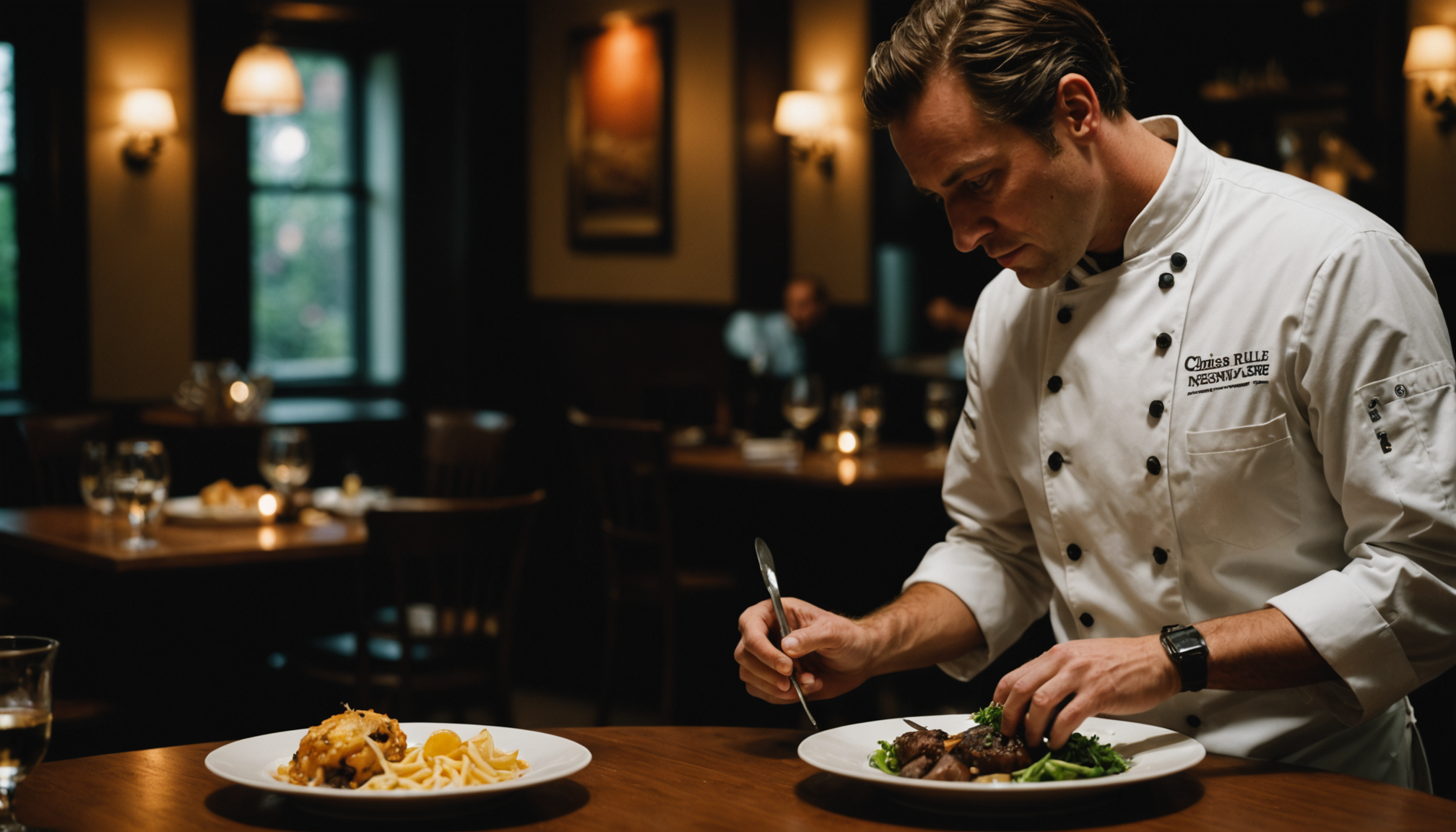
Chef's Tasting Menu Nashville: What It Actually Reveals
A fixed menu with no substitutions used to intimidate people. In 2026, it's the most transparent thing a kitchen can offer you.
TL;DR
- A genuine chef's tasting menu reflects exactly what the kitchen has right now — not a polished script that repeats every night regardless of season.
- Three red flags separate a kitchen cooking at its peak from one running on autopilot: a menu that hasn't changed in months, sourcing language with no actual farm names, and a wine pairing that feels bolted on rather than built alongside the food.
- After reading this, you'll know the five questions to ask before you book any Nashville tasting menu — so every dollar you spend lands on something worth remembering.
---
What a Chef's Tasting Menu Actually Reveals
Most people treat a tasting menu as a luxury upgrade — more courses, higher price, fancier occasion. That framing misses the point entirely. A chef's tasting menu is, at its core, a kitchen's thesis statement. It says: here is what we believe food should be, right now, with what we have today.
When a kitchen runs a tasting menu with genuine conviction, the courses build on each other with logic. A dish of early-summer field peas arrives before the braised pork shoulder because the peas were at their peak this week — not because someone decided "protein should follow vegetable" in a spreadsheet. The sequence has reasoning behind it, and a good server can explain that reasoning without rehearsed talking points.
A tasting menu also reveals kitchen discipline. Writing five to eight courses that feel cohesive takes far more work than printing an à la carte list and calling it "curated." Kitchens that maintain a genuine chef's tasting menu in Nashville — one that shifts with the season and the farmer's harvest — are showing you something real about how they operate.
What to ask before you sit down:
- "How often does the tasting menu change?" (Anything longer than 6–8 weeks in a single season deserves a follow-up question.)
- "Can you tell me which farms you're sourcing from this week?"
- "Do courses share any ingredients, or is each one standalone?" (Shared ingredients, used differently across courses, signal a kitchen thinking in a full menu rather than assembling individual plates.)
---
Why Nashville's Tasting Menus Vary So Wildly
Nashville's dining scene has matured quickly. Between 2022 and 2026, the number of restaurants offering some form of multi-course tasting experience in the metro area roughly doubled — and that growth brought both extraordinary kitchens and a fair amount of menu theater.
The variance comes down to intent. Some restaurants built their tasting menu from the sourcing up: they know which Tennessee farms can deliver reliably, they've written their menu around those relationships, and the kitchen rotates dishes as ingredients shift. Others built their tasting menu from the marketing down: the format looked impressive, the price point matched the neighborhood, and the actual sourcing never really changed.
East Nashville, in particular, has become home to a cluster of restaurants where spotting real local sourcing relationships before you book makes a measurable difference in what ends up on your plate. The zip code doesn't guarantee quality — but it does concentrate kitchens that have built genuine relationships with Middle Tennessee growers.
One honest signal: price range. In Nashville in 2026, a tasting menu priced under $65 per person almost always involves some compromise — imported proteins, produce from a broadline distributor, or a condensed three-course format marketed as a full tasting experience. A thoughtfully sourced, five-to-eight-course menu that changes weekly typically runs $95–$145 per person before beverage pairings. That's not a luxury tax. That's what honest ingredient costs actually look like.
---
Chef's Tasting Menu Red Flags to Spot Fast
You don't need to be a food critic to read the warning signs. You need about three minutes on a restaurant's website and one question to your server.
The Menu Hasn't Changed Since the Last Season
If a restaurant's online tasting menu looks identical to what it looked like in February and you're booking in October, that's a kitchen not cooking to the calendar. A true seasonal tasting menu should show at least 60–70% ingredient turnover between summer and fall. Same dishes, same ingredient names, same wine pairing — same script.
Sourcing Language Is All Adjectives, No Names
"Locally sourced," "farm-fresh," and "responsibly raised" are marketing phrases. "Bloomsbury Farm pork shoulder" and "Delvin Farms summer squash" are sourcing commitments. If a restaurant's menu, website, or staff can't name a single farm or producer behind a signature course, the sourcing language is decoration. This applies to the meaning behind clean eating claims as much as it applies to tasting menus — the vocabulary is easy; the relationships are hard.
The Beverage Pairing Feels Like an Afterthought
A well-built tasting menu pairs wine, beer, or cocktails the same way it builds courses — with intention. If a pairing menu offers you a single red and a single white to accompany eight courses, nobody thought about it. A kitchen that cares will pour differently for a delicate trout course than for a wood-fired lamb collar.
There's No Option to Ask Questions at the Table
Rigid service that discourages conversation about the food is a tell. Great tasting menus welcome curiosity. If a server can't explain why a course exists in the sequence, or who raised the duck, that absence of knowledge trickles down from the kitchen.
---
How Seasonal Sourcing Shapes Every Course
This is where a chef's tasting menu in Nashville earns its price or doesn't.
Tennessee's growing calendar is genuinely rich: spring ramps and morels, summer field peas and heirloom tomatoes, fall sunchokes and sweet potatoes, winter turnips and cellar roots. A kitchen that's paying attention to that calendar has approximately 11–13 "pivot moments" per year — weeks when one ingredient gives way to the next and the tasting menu has to respond.
At Ember & Oak, this is the rhythm the kitchen is built around. When Delvin Farms delivers the first Brandywine tomatoes of the summer — usually a two-to-three-week window — those tomatoes appear in the tasting menu before they appear anywhere else, prepared in a way that makes their brief availability feel like the point rather than a detail. By the time you read this, the menu you'd eat on Friday night may share only one or two ingredients with the menu served three weeks ago.
This kind of sourcing also changes the logic of individual courses. A well-constructed seasonal dinner menu doesn't treat vegetables as garnish or supporting players — the harvest shapes the whole architecture. When snap peas arrive in abundance, a dish might use them three ways: raw for texture, puréed for sweetness, and charred for depth. That's not technique for its own sake. That's a kitchen thinking about what an ingredient can actually do.
The practical takeaway: Ask your server what the menu looked like two weeks ago. If the answer involves meaningful differences — a different protein, a changed vegetable component, a new first course — you're sitting at a table that takes the calendar seriously.
---
Choosing a Chef's Tasting Menu Worth the Spend
You've done the research, you've read the menus, and now you're deciding which reservation to confirm. Here's a five-point checklist that applies to any chef's tasting menu Nashville option you're considering for a special evening.
1. Menu date-stamping: Does the restaurant post when the tasting menu was last updated? A date — even just the month — signals accountability.
2. Named sourcing: At least two courses should reference a specific farm, producer, or region. Not "local." A name.
3. Sequence logic: Can you read the courses and understand why they're ordered that way? Light to rich, delicate to bold — there should be a through-line.
4. Beverage intelligence: Is the pairing described course-by-course, or is it a single blanket option? Course-by-course means someone thought about it.
5. Communication before arrival: Does the restaurant reach out before your reservation to ask about dietary needs, preferences, or the occasion? That conversation shapes how the kitchen actually executes the meal. If you're planning a meaningful anniversary dinner or a special occasion, this pre-meal communication matters more than most people realize.
A tasting menu that checks all five boxes isn't a guarantee of a perfect meal — cooking is live, and things happen. But it is a guarantee that the kitchen is running the menu with care, not just filling seats.
---
When you're ready to sit down at a table where every course has a farmer's name behind it, book the chef's tasting menu at Ember & Oak by visiting /contact. Reserve your seats — Thursday through Sunday, beginning at 5pm — and let us know the occasion. The kitchen will be ready.
<<>>